

In Spokane the mold is almost always in the basement, and the basement wall is almost always why.
ACOR Restoration Services LLC is a licensed contractor serving Spokane and the Inland Northwest with mold remediation, moisture correction, and documentation prepared for your insurance carrier. We are not public adjusters. We do not negotiate coverage or guarantee what your policy will pay.
Call to talk through what you are seeing
(509) 557-0559
Office Mon to Fri 8:00am to 5:00pm · emergency line answered 24/7
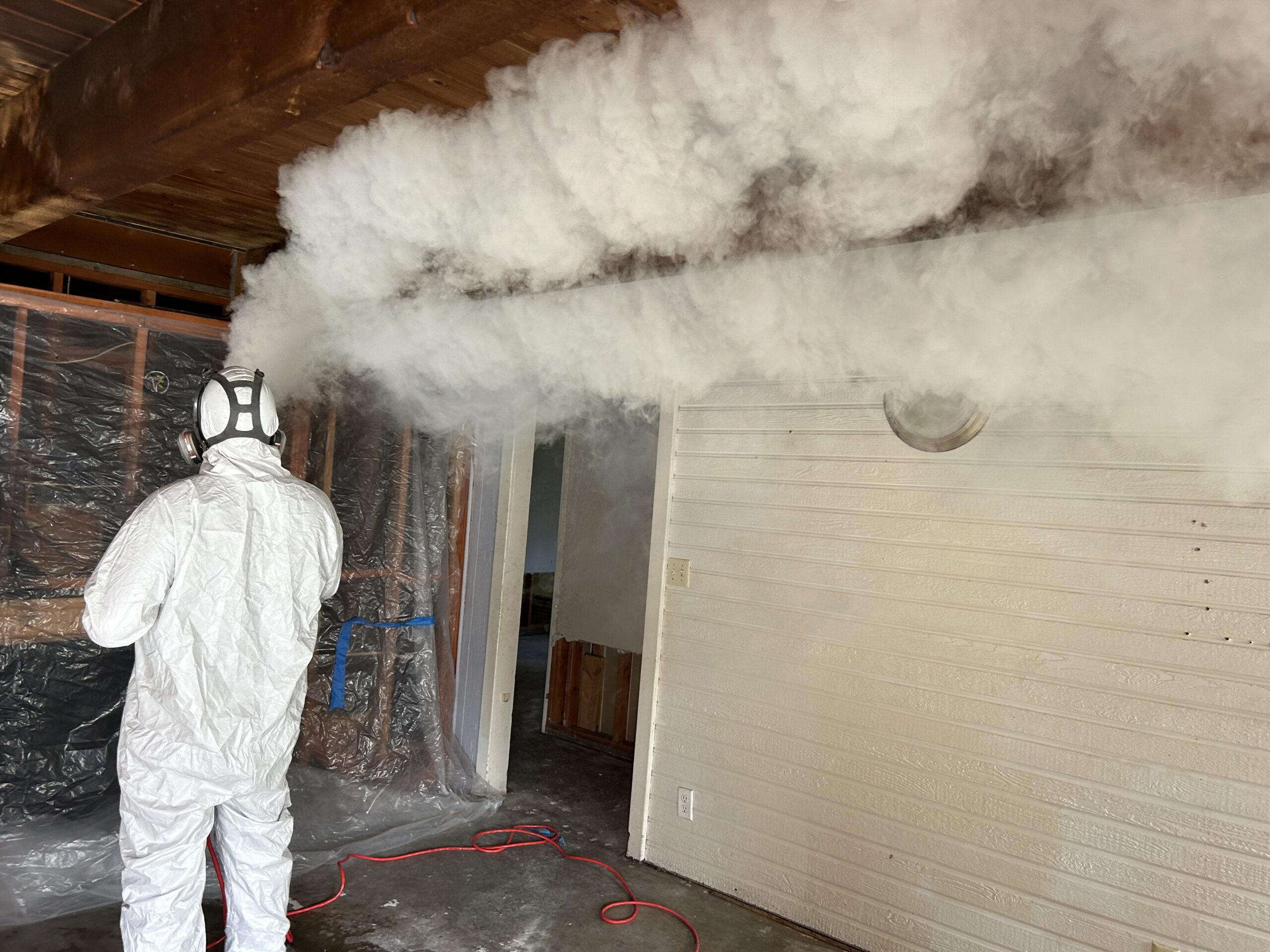
Why Spokane basements are the problem
A great many Spokane houses were built with basements, and a great many of those basements predate anything resembling modern damp-proofing. Poured concrete, block, and older stone foundations all take on moisture from the soil around them. It moves through the wall rather than running down it, which is why the classic Spokane basement problem looks like a chalky white bloom and a damp smell rather than a puddle. Nobody calls that a leak, so nobody fixes it, and the framing and drywall attached to that wall stay damp for years.
Finishing the basement is what turns a slow problem into an expensive one. Studs furred directly against masonry, insulation and drywall over the top, and carpet on a slab with no vapor barrier under it will hold moisture against organic material indefinitely. When we open a finished Spokane basement wall, the back of the drywall usually tells the whole story.
Above ground, the usual suspects still apply and are worse on older houses: downspouts that discharge at the foundation instead of away from it, grading that has settled toward the building over decades, and window wells that fill.
And the ordinary cause: a water loss that was never dried completely. Aging supply lines are the most common way that starts here. See our Spokane water damage page.
What we do
- 1
Find the water first
Meters, inspection, and following the moisture to its source. Below grade that means distinguishing a plumbing failure from moisture moving through the foundation itself, they look similar and the fixes are nothing alike.
- 2
Containment
Isolating the work area and controlling air movement. Basements share air with the rest of the house through stairwells and mechanical chases, so this matters more here than people expect.
- 3
Removal
Colonized material comes out. In a finished basement that usually means drywall, base, insulation, and any framing in contact with the foundation that cannot be saved.
- 4
Cleaning and treatment
Masonry and other surfaces that can be cleaned are cleaned, and remaining surfaces treated.
- 5
Correct the moisture
The step that decides whether this comes back. Exterior drainage, grading, downspout discharge, window wells, or a plumbing failure, if the real fix is outside our scope we will tell you what it is rather than remediate around it and leave you to find it again.
- 6
Independent verification
Where sample verification is needed we bring in third-party testers, for the reason below.
We do not test our own work
Worth knowing before you hire anyone
A company that tests for mold, remediates based on its own test, then tests again to confirm its own success has an obvious conflict of interest. We do not do that. Where samples need independent verification, we bring in third-party testers so the result is not ours to influence. If you would rather choose the testing firm yourself, that works too.
Insurance, and the part people get caught by
Mold is treated differently from most other losses. Coverage is frequently limited, capped at a specific dollar amount, or excluded outright on standard homeowners policies, and it often turns on what caused the moisture and how long it went on. This matters in Spokane specifically, because moisture moving through an old foundation over many years is close to the textbook definition of the kind of gradual condition policies exclude, while a burst supply line dried promptly is a different conversation entirely.
ACOR does not decide coverage, does not interpret your policy, and does not guarantee that any part of a mold claim will be approved or paid. Read your policy, particularly any mold or fungi limit. We document what we find and what we do so your carrier’s staff adjuster can evaluate it, and we bill your carrier directly where the claim allows it.
Important disclaimer
ACOR Restoration Services LLC is a licensed contractor. We are not public adjusters. We do not represent you against your insurer. We do not negotiate coverage, claim approval, or settlement amounts. Coverage decisions belong to your insurance carrier and your policy.
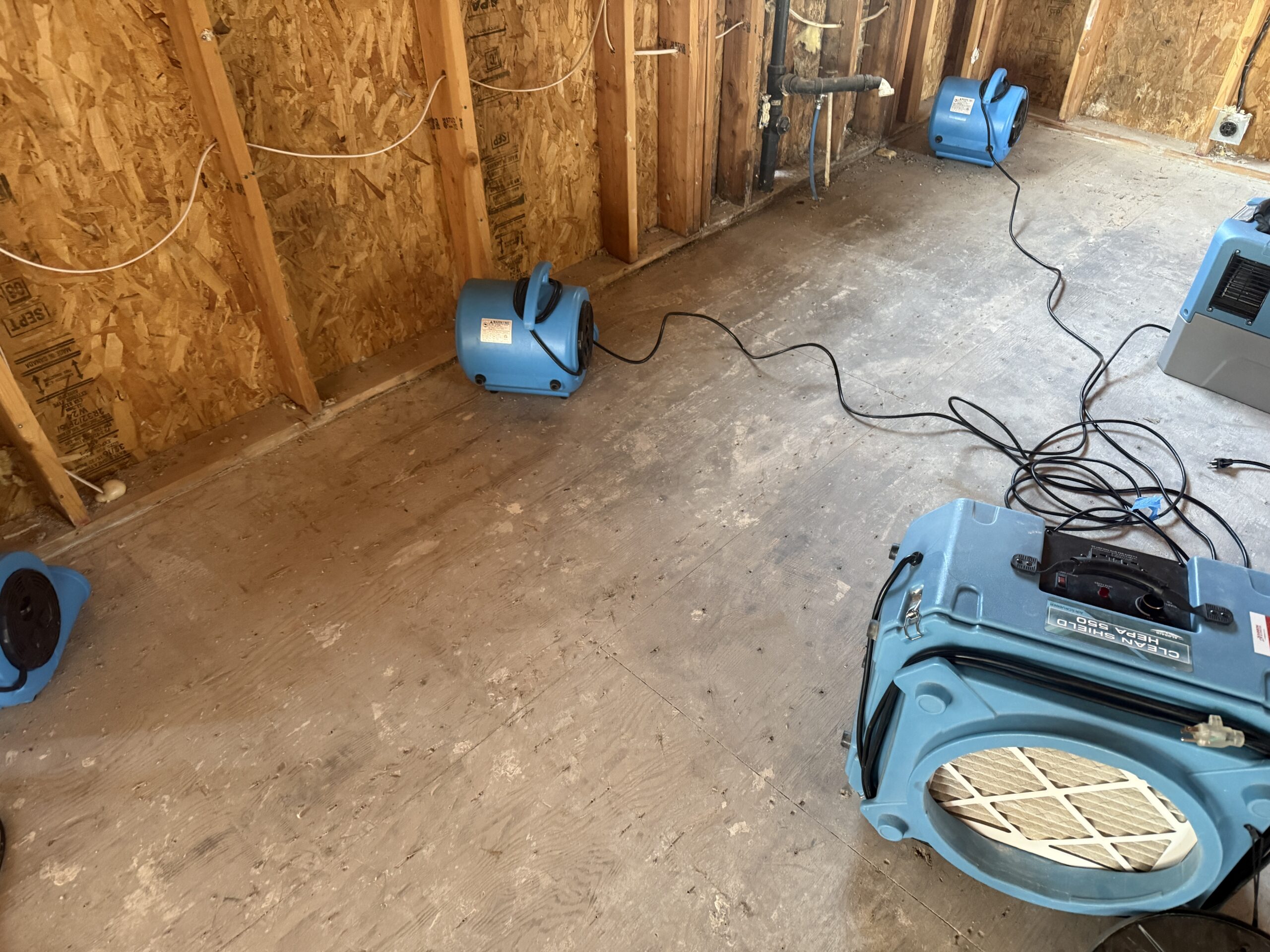
Office hours vs the emergency line
Office
Monday to Friday, 8:00am to 5:00pm, closed holidays.
Mold inspections and scheduling are office-hours work. It is not an emergency service.
Emergency line: 24/7
For active water intrusion, which is what prevents the next mold problem.
Where we work
- Spokane, WA
- Liberty Lake, WA
On the Idaho side: Coeur d’Alene, Post Falls, Hayden, Dalton Gardens, and Rathdrum, see our Coeur d’Alene mold page. We do not market Seattle, Portland, or Boise.
Before you call
Mold Remediation FAQ
How to tell if you have it, whether insurance covers it, whether you can stay in the house, and whether it comes back, answered on our Mold Remediation FAQ.
Mold grows as long as the water lasts
(509) 557-0559
Or email claims@acorrestoration.com
ACOR Restoration Services LLC
955 N Innovation Way, Post Falls, ID 83854