When clean water (or worse) hits a Spokane or Coeur d’Alene home, burst supply line, failed water heater, appliance overflow, or storm-driven intrusion, the first hour matters more than most people expect. Standing water migrates into base plates, insulation, and subfloors while you are still on hold with a carrier. This guide is the practical order of operations for Spokane and Coeur d’Alene homeowners: safety first, stop the source, document, start drying, then coordinate the claim. For the full service overview, see our water damage restoration page and our local Spokane and Coeur d’Alene pages.
1. Make the area safe before you clean anything
- If water is near outlets, panels, or appliances, treat electrical hazard as real, shut off power to the wet zone at the breaker only if you can do it without stepping in water.
- Keep kids and pets out of the wet area.
- Do not use a household vacuum on standing water.
If the situation feels unsafe, leave and call for help. Cleaning is secondary to not getting hurt.
2. Stop the water at the source
- Shut the fixture or appliance valve if you can identify it.
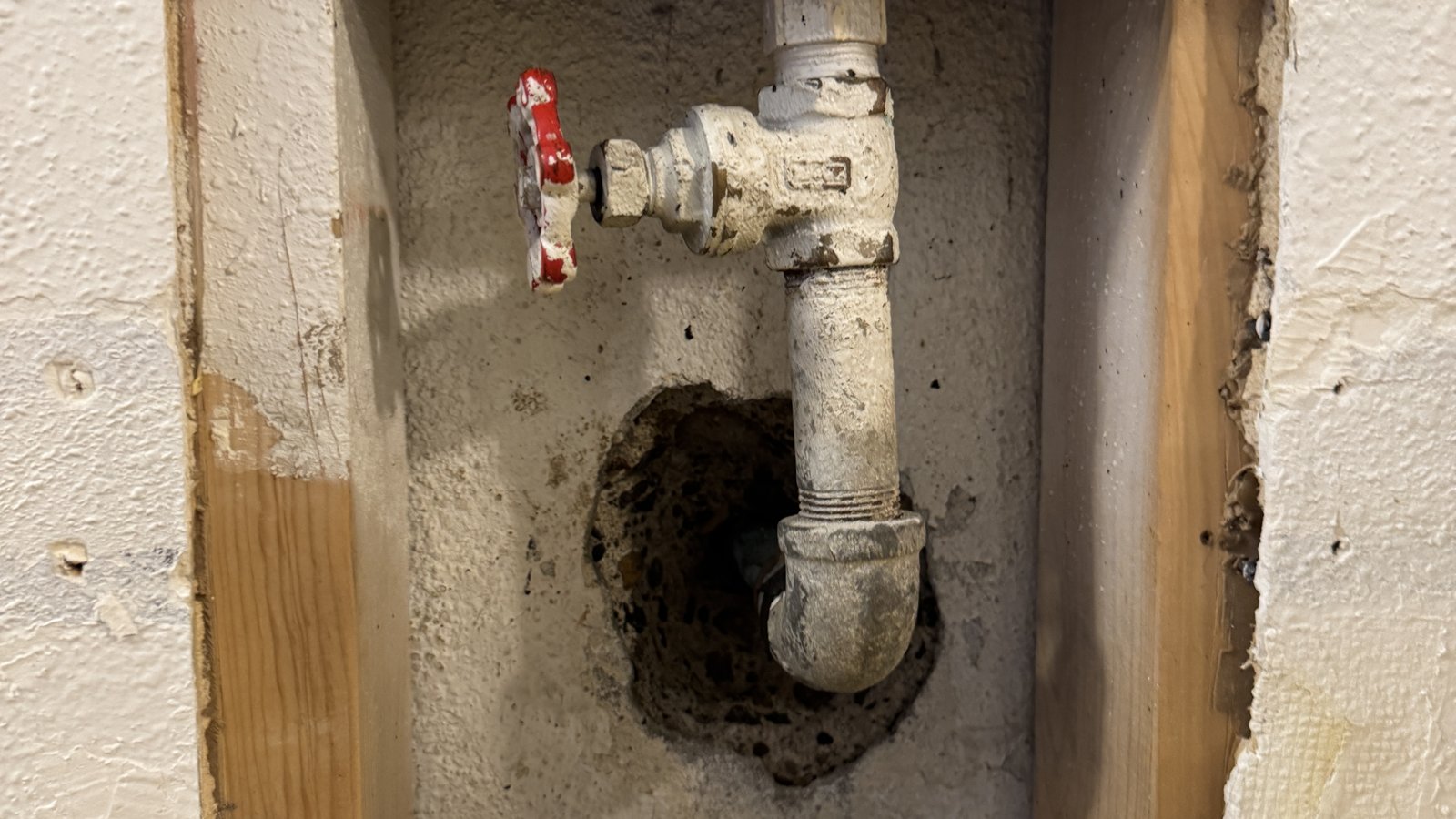
- If you cannot find a local shutoff, use the home’s main water shutoff.
- For a failed supply line or heater, a plumber may still need to make the permanent repair, mitigation can start once the active flow is stopped.
Save failed pipe sections or appliance parts when practical; carriers sometimes want to see the failed component for a sudden-and-accidental loss.
3. Document before you move everything
Take clear photos and short video of:
- The source (if visible)
- Standing water and stained materials
- Affected rooms from wide and close angles
Do this before major tear-out. You can move valuables to a dry room; you do not need to “preserve the flood” for days while materials stay wet.
4. Call your insurance claim line, and start mitigation without waiting for the visit
- Report the claim on the carrier’s 24/7 line when you have an open policy question.
- Get professional extraction and structural drying underway so moisture is not sitting in cavities for days.
You do not generally need the adjuster standing in the room before air movers and dehumidifiers can start. Adjusters commonly rely on photos, moisture readings, and drying logs. Waiting until Monday “so they can see the puddle” often makes the loss larger.
Coverage note: Whether any specific loss is covered depends on your policy and your carrier’s decision. ACOR does not guarantee coverage, approval, or payment, and we are not a public adjuster.
5. What professional mitigation usually does first
On a typical Spokane and Coeur d’Alene water loss, a restoration contractor’s early work looks like:
- Moisture mapping (meters / thermal as needed) to find water that left the visible puddle
- Extraction of standing water
- Controlled demolition only where materials cannot be dried in place
- Air movers and dehumidifiers with ongoing moisture readings
- A written drying record tied to the rooms involved
That documentation is contractor-side job record-keeping for the work performed. It is not public adjusting, and it does not decide what your carrier pays.
6. Avoid these early mistakes
- Wet-vacuuming category 2/3 water (dishwasher discharge, sewage, storm sewage backup) with household tools
- Running the heating, ventilation, and air conditioning system to “dry the house” when ducts or returns are wet
- Pulling large sections of drywall before anyone maps moisture
- Signing paperwork you do not understand under time pressure, ask what you are authorizing (work vs. claim rights)
- Assuming “a few fans overnight” equals structural drying on a multi-room loss
Soft next step
Active water damage in Spokane, Liberty Lake, Coeur d’Alene, Post Falls, Hayden, Dalton Gardens, or Rathdrum? Call the line for your side of the state. Emergency phones are answered 24/7; we will be in contact within 60 minutes.
- Washington (Spokane / Liberty Lake): (509) 557-0559
- Idaho (Coeur d’Alene / Kootenai): (208) 254-2053
- Email: claims@acorrestoration.com
Office hours for scheduling and paperwork: Monday to Friday, 8:00am to 5:00pm (closed holidays). Office: 955 N Innovation Way, Post Falls, ID 83854.
More on process and documentation: Water Damage · Insurance Claims.
Frequently asked questions
Should I call insurance or a restoration company first?
Often both, close together: stop the water and make it safe, open the claim if you will use insurance, and start mitigation so drying is not delayed. Order can vary with the situation; do not leave standing moisture for days waiting on an inspection appointment.
How soon can mold become a concern?
Mold risk rises when materials stay wet. The practical goal is to extract and dry promptly, not to panic-demo everything before moisture is mapped. Timelines vary by material and conditions.
Will ACOR guarantee my insurance pays for water damage?
No. We do not guarantee coverage, approval, or payment. Your carrier decides under your policy. We provide contractor documentation and perform the restoration work you authorize. ACOR is not a public adjuster.
Do you serve both Spokane and Coeur d’Alene?
Yes, Spokane and Liberty Lake on the Washington side; Coeur d’Alene, Post Falls, Hayden, Dalton Gardens, and Rathdrum on the Idaho side.